
Occupation and envromental factors
Italy faces major environmental and occupational health challenges, with industrial pollution, climate change, and workplace hazards being the most significant factors affecting population well-being. Artificial Intelligence is emerging as a tool for monitoring these risks and improving workplace safety, though many issues remain.
Air pollution is a persistent threat, particularly in industrial zones like the Po Valley. Fine particulate matter and ozone concentrations are linked to increased rates of cardiovascular and respiratory diseases, including lung cancer and stroke, making air quality a primary public health concern.
The impacts of climate change are increasingly evident in Italy, with rising temperatures, frequent heatwaves, and extreme weather events such as floods and droughts. These climate-related issues are causing heat-related illnesses, deaths, and disruptions in agriculture and water resources.
Significant water and soil contamination incidents have occurred due to industrial activity, notably at sites like the ILVA steel plant in Taranto and PFAS pollution in Veneto. These incidents have had damaging health impacts on local communities, affecting both water quality and overall safety.
Occupational health risks include musculoskeletal disorders, carcinogen exposures, physical hazards, and psychosocial stress. Workforce aging and insufficient ergonomics contribute to musculoskeletal issues, while the legacy of asbestos and rising temperatures increase the prevalence of occupational diseases and injuries. Mental health concerns, though less frequently recognized for compensation, are present across Italian workplaces.

Urban life in Italy

Urban life in Italy is defined by a unique blend of historical heritage and contemporary growth, with over 70% of the population residing in urban areas, notably in cities such as Rome, Milan, and Naples.
• The majority of urban Italians live within major metropolitan regions.
• Cities offer abundant economic opportunities while maintaining a relaxed lifestyle that prioritizes social interaction and outdoor activities.
The social fabric in Italian cities centers on communal gatherings in public spaces, with cafés and outdoor dining serving as vital aspects of daily life.
• Both interaction and leisure are key values in urban Italian culture.
• Community participation is particularly prevalent among older citizens.
The urban landscape of Italy reflects a merging of historic city centers and newer, sometimes inconsistent, development zones.
• Architectural layers and varied planning characterize many Italian cities.
• Policy initiatives increasingly focus on enhancing quality of life and preserving communal spaces.
Rapid urbanization has resulted in notable environmental pressures, including the reduction of agricultural land and adverse effects on local ecosystems, as significant expanses of rural territory are absorbed by urban sprawl.
• Expansion beyond central districts intensifies demands on natural resources.
• Programs are being implemented to counteract these environmental impacts.
Urban planning priorities have shifted toward addressing the needs of peripheral neighborhoods and bridging urban-rural disparities.
• Italy features 15 metropolitan cities, each distinguished by robust economic and cultural connections.
• Since the 19th century, urban growth has continued to extend outward from major city centers, reshaping the landscapes of both urban and surrounding rural areas.
Rural life in Italy
Rural life in Italy is characterized by a tranquil, leisurely pace that is deeply embedded in community values and longstanding traditions. Residents’ routines are often shaped more by the natural cycles of the environment than by the clock, with social customs such as sharing coffee or meals holding central importance. Daily life commonly includes afternoon breaks, during which many shops close to accommodate leisure, further underscoring the region’s relaxed lifestyle.
A pronounced sense of belonging defines rural Italian communities. Neighbors maintain strong connections, regularly supporting one another. Social life thrives in communal spaces, such as town squares, local festivals, and family gatherings. Community events are inclusive, with newcomers warmly welcomed, thereby reinforcing communal bonds.
Food and nature are integral to rural existence. Emphasis is placed on local produce, and strong relationships are cultivated with regional farmers, butchers, and bakers. The countryside offers abundant opportunities for outdoor activities, including hiking, cycling, and foraging. Frequent festivals celebrate local culinary specialties—from olive oil to mushrooms—bringing communities together to share both food and tradition.
The rural Italian landscape is marked by scenic agricultural areas, distinctly separated from urban centers. Picturesque rolling hills, vineyards, alpine meadows, and dramatic coastlines are typical features. The environment offers clean air and stunning vistas, serving as both a backdrop for daily life and a continual source of pleasure for residents.
In recent years, efforts to revitalize rural Italy have gained momentum. Increasing numbers of people are relocating from urban areas, attracted by the prospect of blending rustic living with remote work. Revitalization initiatives—including tourism development, restoration projects, and community cooperatives—aim to preserve cultural heritage while fostering adaptation to contemporary trends.

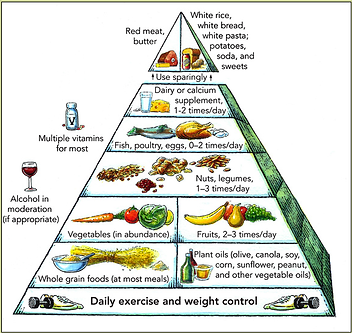
Nutrition in Italy
The Italian diet centers on the Mediterranean approach, emphasizing balance, simplicity, and seasonal freshness. It’s defined by nutrient-rich foods and healthy lifestyle habits with notable health benefits.
The Mediterranean diet in Italy features high intakes of fruits, vegetables, legumes, whole grains, and olive oil, while limiting red meat. Meals are usually balanced with cereals, proteins, and vegetables.
Staples include fresh, seasonal produce; grains (especially pasta and bread made from durum wheat); legumes like beans; and moderate dairy, especially cheese varieties such as mozzarella and parmesan.
Protein sources are mainly fish and poultry, with red meat eaten sparingly. Olive oil serves as the primary fat, and herbs are used liberally for flavor instead of salt.
Daily eating patterns involve simple meal preparation to showcase ingredients. Breakfast is typically light—coffee and a pastry or bread—while lunch and dinner are more balanced, often finishing with fruit.
Physical activity is encouraged as part of Italian dietary guidelines, which recommend prioritizing plant-based foods, balancing intake with exercise, and limiting fat, salt, and sugar. These patterns are linked to high life expectancy and lower rates of diseases like diabetes or heart conditions.
References:
CLEANTECH Articles, www.azocleantech.com/articles.aspx. Accessed 2 Nov. 2025.
Bartkowiak, Ania. “Documenting Rural Italy’s Vanishing Traditions.” The New York Times, The New York Times, 8 Dec. 2016, archive.nytimes.com/lens.blogs.nytimes.com/2016/12/08/documenting-rural-italys-vanishing-traditions-giuseppe-nucci/?referer=https%3A%2F%2Fwww.google.com.
Melanie F. Knights Graduate student in geography, University of Sussex, et al. “The People.” Encyclopædia Britannica, Encyclopædia Britannica, inc., 2 Nov. 2025, www.britannica.com/place/Italy/Settlement-patterns.
“Italy.” Global Nutrition Report | Country Nutrition Profiles - Global Nutrition Report, globalnutritionreport.org/resources/nutrition-profiles/europe/southern-europe/italy. Accessed 2 Nov. 2025.