
Factors Impacting Health in Italy
Health can be influenced by many factors, including occupational, environmental, and nutritional factors. In Italy, several factors have a substantial effect on the health of the people. The environment and jobs are crucial because the country has many factories and diverse land types. Understanding how these factors function is crucial for effective health promotion and disease prevention.
Occupational Factors Affecting Health
In Italy, workers face many workplace hazards. Construction, farming, and factory jobs are the most dangerous. Workers often deal with heavy machinery, hazardous chemicals, or repetitive movements. For example, breathing in dust at rock quarries can harm the lungs. Repeating the same actions in factories can cause muscle and joint pain. These risks on the job can lead to injuries, long-term health problems, and reduced ability to work. Efforts to improve safety can help protect workers and boost productivity.

Environmental Factors Affecting Health
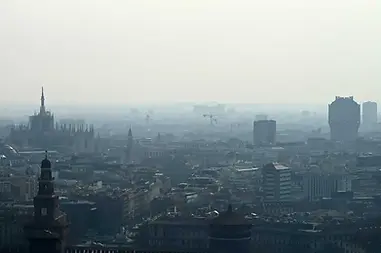
Italy faces serious pollution problems in the air, water, and soil. Air quality is especially poor in the Po Valley, where people breathe in high levels of harmful dust called PM2.5. This type of pollution can make it hard to breathe and can hurt the heart. Factories in the northern areas also pollute the ground and water with chemicals. Climate change is significantly causing these issues to worsen across the country. Efforts are underway to address these challenges, such as the development of cleaner energy sources and the implementation of stricter pollution regulations. Addressing this situation will require considerable time and collective action, but improving our environment is imperative for public health.
Relationship of Occupational Factors to Health
Work-related health problems and injuries seriously threaten both the lifespan and quality of life for workers in Italy. Prolonged exposure to hazardous substances is strongly connected to higher rates of cancer and lung diseases. Dangerous working conditions also play a significant role in causing severe injuries. These hazards can lead to long-term health problems for many employees. Improving occupational safety and limiting exposure to harmful agents are essential to protect workers’ health.
Health Promotion Activities: Occupational Health
Italy responded to workplace health hazards through the adoption of the National Prevention Plan (Piano Nazionale della Prevenzione). This plan was enforced with the intention of enhancing workplace safety nationwide. A key part of the plan is regular training to teach employees about work dangers. The plan also includes ongoing health checks and medical exams for workers so that any problems can be found and treated early. Strict safety rules are followed at work to ensure everyone's safety. By doing all these things together, the goal is to make workplaces much safer. In the end, this plan aims to protect workers' health in Italy.
Relationship of Environmental Factors to Health
Exposure to the air and water pollution of Italy for prolonged periods of time may lead to significant health problems. These can include conditions like asthma, chronic lung diseases, and an increased risk of certain cancers. The most vulnerable groups, children and the elderly, are especially at risk, as these individuals face greater harm from environmental hazards than others. Thus, the disparities in health between age groups will continue to widen. Pollution, therefore, remains a significant and urgent public health threat in Italy.


Health Promotion Activities: Environmental Health
Italy is committed to improving environmental health by reducing air pollution in several ways. The country is investing in cleaner energy production and introducing stricter emissions regulations. Their strategy also includes sustainable urban planning to secure long-term environmental improvements. Cities like Milan and Turin are on the front lines, primarily through initiatives such as the M.U.S.I.C. (Mobilità Urbana Sostenibile e Innovazione Comunitaria) project, which focuses on improving urban transportation to reduce the impact of vehicle pollution. Overall, these coordinated actions aim to create more sustainable, healthier environments for city residents by reducing harmful emissions and promoting cleaner mobility solutions.
References
“Italy – Air Pollution Country Fact Sheet.” Maps and Charts | European Environment Agency (EEA), www.eea.europa.eu/en/analysis/maps-and-charts/italy-air-pollution-country-2023-country-fact-sheets. Accessed 24 Nov. 2025.
Italy | Climate & Clean Air Coalition, www.ccacoalition.org/partners/italy. Accessed 24 Nov. 2025.
“Italy.” World Health Organization, World Health Organization, data.who.int/countries/380. Accessed 24 Nov. 2025.
Naghavi, Mohsen, and GBD 2021 Italy Subnational Burden of Disease Collaborators. “State of Health and Inequalities among Italian Regions from 2000 to 2021: A Systematic Analysis Based on the Global Burden of Disease Study 2021.” The Lancet. Public Health, U.S. National Library of Medicine, pmc.ncbi.nlm.nih.gov/articles/PMC11962357/. Accessed 24 Nov. 2025.