
Welcome to Italy
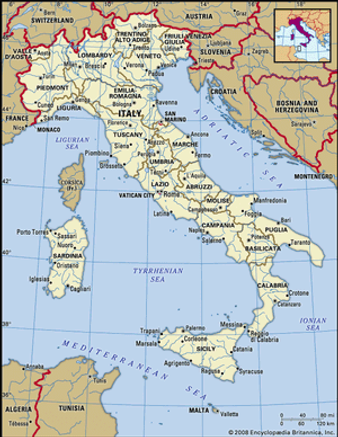
Welcome to Italy, a country recognized for its history, landscapes, and diverse culture. Located in Southern Europe and bordered by the Adriatic, Ionian, Tyrrhenian, and Ligurian Seas, Italy has a distinctive geographic shape and cultural legacy.
Each region presents its own traditions, dialects, and cuisine, creating a blend of experiences for visitors and residents. From the ancient ruins of Rome and the canals of Venice to the art of Florence, Italy holds significant historical and architectural sites.
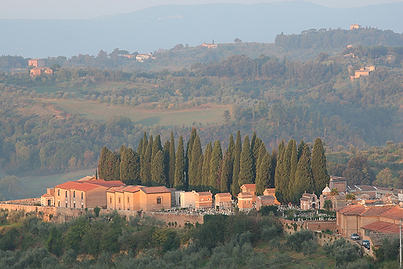
The hills of Tuscany and the Amalfi Coast offer notable scenery, while Milan is known for fashion and modern developments. Throughout the country, Italy provides a variety of cultural and natural points of interest.
Italian society is also defined by its vibrant festivals, artistic contributions, and the warmth of its people. From savoring authentic Italian cuisine at a local trattoria to witnessing traditional celebrations in small villages, visitors are immersed in a unique way of life. Whether exploring world-class museums, relaxing in charming countryside towns, or enjoying lively city squares, Italy’s enduring spirit and passion for beauty leave a lasting impression on all who experience its rich tapestry.
Historical perspective:
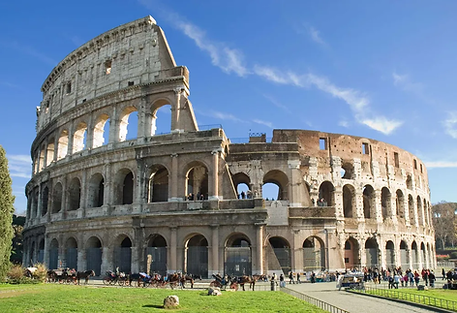
Italy’s history is a fascinating blend of complex periods that have shaped its national identity. Ancient Rome laid the foundations with remarkable achievements in governance, engineering, and culture, influencing much of Europe for centuries. The subsequent Middle Ages saw Italy splintered into various kingdoms and influential city-states, while the Catholic Church asserted considerable power. This period set the stage for the Renaissance—a golden age of art, science, and philosophy led by groundbreaking figures such as Leonardo da Vinci and Michelangelo.
The 19th century marked the unification of Italy through the Risorgimento movement, led by leaders like Giuseppe Garibaldi and Count Cavour, culminating in a unified nation under King Victor Emmanuel II. The 20th century brought new challenges: Fascism, world wars, and ultimately the birth of the Italian Republic in 1946. Today, Italy is celebrated for its enduring cultural heritage, modern achievements, and influential role in global affairs—a country where history thrives in its cities, art, and traditions.
Geography, Climate, Natural Resources, and Economy:
Italy is a Southern European country known for its boot-shaped peninsula extending into the Mediterranean. Its varied geography and climate influence its rich culture and economy.
Geography
• Features diverse terrain: mountains (Alps, Apennines), plains (notably the Po Valley), and extensive coastline (about 7,600 km).
• Major islands include Sicily and Sardinia, along with smaller ones like Elba and Capri.
Climate
• North: Continental climate with hot summers, cold winters.
• Central & South: Mediterranean climate with hot, dry summers, mild winters.
• Islands: Similar Mediterranean climate, some regional variations.
Natural Resources & Economy
• Agriculture: Major producer of olives, grapes, fruits, and vegetables, with renowned regions like Tuscany and Piedmont.
• Minerals: Famous for marble (Carrara), some zinc, lead, and iron ore.
• Energy: Relies on imports but invests in renewable energy.
• Tourism: Strong sector supported by cultural heritage, historic sites, and scenic landscapes.
Italy’s physical landscape, climate differences, and resources shape its vibrant economy and distinct way of life.
References:
-Christopher John Wickham Professor of Early Medieval History, University of Birmingham, and All. “Italy.” Encyclopædia Britannica, Encyclopædia Britannica, inc., 22 Oct. 2025, www.britannica.com/place/Italy.
-“Italy.” Geography, National Geographic Kids, 3 Nov. 2022, kids.nationalgeographic.com/geography/countries/article/italy.